Featured Movies - Page 130

The Silver Pure Garden
2026
The process of change explored through the trembling of the Super 8 format and the audio brutalism of Bradley Cartmell’s soundscape.Os Bons Garotos
2026
Os Bons Garotos
2026
Theatre of Magic
2026
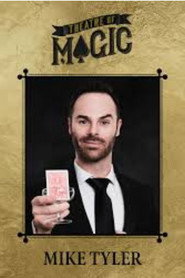
star 8Enter Brisbane’s Theatre of Magic at Rydges Hotel and discover an evening where elegance meets illusion. Recently crowned a 2025 TripAdvisor “Travellers’ Choice” Award winner and ranked among the top 10% of experiences worldwide, this hidden theatre features world-class magicians, a spellbinding selection of food and drink, and award winning sleight-of-hand artists. Don’t miss out—get your tickets today for Brisbane’s Theatre of Magic!milet LIVE at Nippon Budokan 2026「Ray of Water」
2026
In February 2026, milet held a concert at the Nippon Budokan, her first performance there in three years. milet named this performance "Ray of Water" with the hope of "bringing a ray of hope to those who watch the live show." Various installations were used to transform the iconic Budokan stage into a fantastic space where light and water intersect and interact. The performance on February 14, 2026 was broadcast exclusively on TBS-1 with all songs uncut. Original behind-the-scenes footage from the program was also included.GAMBERRA
2026
GAMBERRA
2026
During her first year at a conservative, elitist college residence, Marta is driven into a desperate search for the morning-after pill by the sexual taboos around her. As community pressure builds, her peers prepare an initiation ritual no one will forget.Alívio Divino
2026
Alívio Divino
2026
Between faith and his secrets, João, a ‘respectable man,’ lives a double life. But the encounter with ‘UrsinhoMalvado’ changes everything.Unplug
2026
Unplug
2026
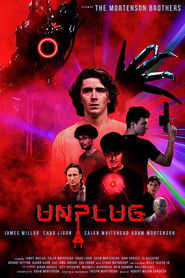
When a mysterious Orb is discovered, a group of high schoolers are forced to face both strained relationships and past actions in an effort to combat the deceitful temptation of misconstrued justice that resides within...Meta Morfosis
2026
Meta Morfosis
2026
DDT Good Good! Yokohama Battle 2026
2026
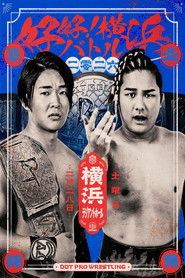
DDT Good Good! Yokohama Battle 2026 was a professional wrestling event promoted by DDT Pro-Wrestling, which was held on February 28, 2026 at Yokohama Radiant Hall in Yokohama, Kanagawa, Japan. In the main event, Yuki Ishida challenged To-y for the DDT Extreme Championship in a Soccer vs Sumo! Mixed Martial Arts 'ITACHI' Rules match.Flag of Convenience
2026
Flag of Convenience
2026
In the summer of 2025, a Maltese filmmaker discovers that most of the luxury yachts in a Corsican marina fly the Maltese flag.Tim Ballard's Hidden War
2025
Tim Ballard leads operations across continents to save children from sex trafficking rings. The mission reveals traffickers' brutal tactics while working to expose and stop global child exploitation.Bus: The Last Drive
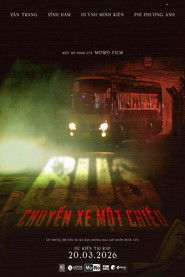
2026
Bus: The Last Drive
2026
Bus: One-Way Ride is a supernatural horror film set in a school environment. It is the newest cinematic project by director Luk Vân, following When We Are 25 (2023). The film’s concept originates from the idea of mysterious buses that carry wandering spirits who still have unfinished wishes, giving them one final chance to fulfill what they could not accomplish in life.Detenerse a mirar
2026
Detenerse a mirar
2026
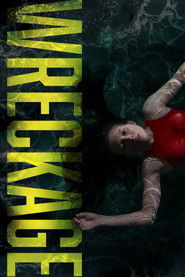
Wreckage
2026
Wreckage
2026
A teen flees her controlling mother, only to face abuse in a new relationship, forcing her to choose between escape or freedom.See Yoo In 15
2026
See Yoo In 15
2026
When Yoo Hee-jin's junior year of college is cut short by a terminal diagnosis, she turns to a bucket list, leading her back to Seoul and to the first love she never truly left behind.The Impatient
2026
Mike & Molly vieren feest
2026
It's springtime on the farm, and that means it's time for Mike and Molly's birthday. As the flowers bloom and the birds are singing, the cheerful little sheep set off to gather everything they need for a real birthday party: decorations, presents, and of course a delicious cake. Along the way, they sing happy songs, tell jokes, and discover all sorts of things about colors, shapes, and numbers together with the children. But there's one small problem... The bridge over the ditch is broken, and Mike and Molly can't get across. Mike comes up with the craziest ideas to reach the other side-using balloons, roller skates, and even a rocket. Will they manage to collect everything in time for the birthday party?